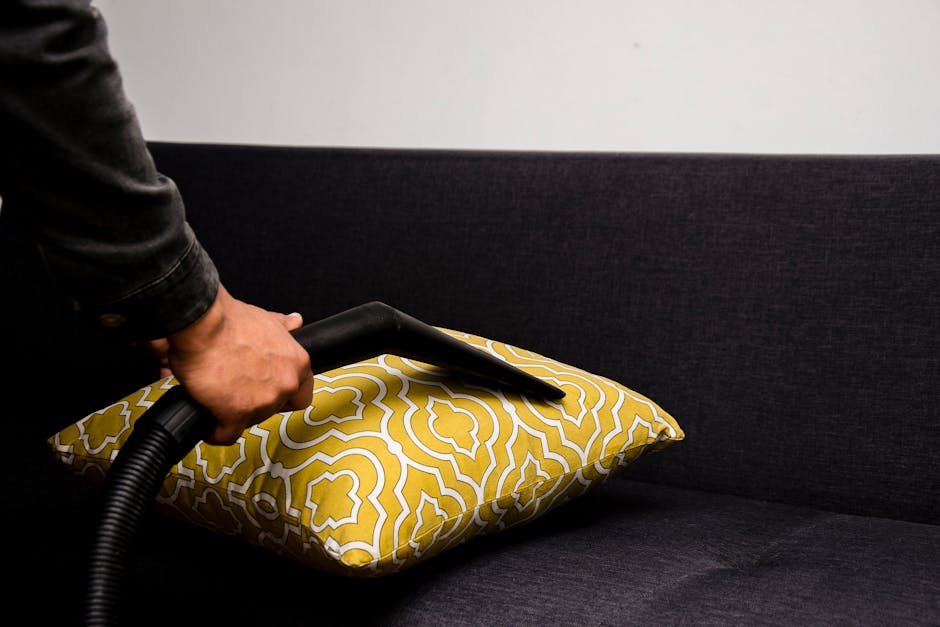
Brompton Road upholstery cleaning for homes near Harrods
Posted on 16/07/2026
Brompton Road Upholstery Cleaning for Homes Near Harrods: A Practical Local Guide
If you live on or around Brompton Road, close to Harrods, you already know the pace of the area is its own thing: elegant homes, busy footfall, deliveries arriving at awkward times, and furniture that works hard every single day. Brompton Road upholstery cleaning for homes near Harrods is not just about making a sofa look tidy again. It is about protecting investment pieces, keeping a polished home presentable, and dealing with the reality of London living-dust, traffic residue, pet hair, perfume, cooking odours, the lot.
Truth be told, upholstery can look "fine" long after it has stopped being clean. That's where a proper, fabric-safe approach matters. In this guide, you'll get a clear explanation of how upholstery cleaning works, which methods suit different fabrics, what to avoid, and how to judge whether the job has been done properly. You'll also find a practical checklist, a comparison of methods, and a few local, real-world observations that make the decision easier.
Why Brompton Road upholstery cleaning for homes near Harrods Matters
Homes near Harrods tend to see a particular kind of wear and tear. There is often a lot of coming and going, more use of shared living areas, and a higher expectation that interiors should always look composed. That can make upholstery feel like a pressure point. A cream armchair that once looked immaculate can start to show shadows around the arms. A velvet chaise can lose its softness. A family sofa may hold onto dust and odours that you only notice when the windows are closed on a wet afternoon.
Upholstery is also one of the easiest places for dirt to hide. Unlike hard surfaces, it absorbs oils, particles, crumbs, and moisture. You can vacuum the visible layer, of course, but that only goes so far. Deep cleaning helps refresh the fibres, lift embedded debris, and reduce the dull, lived-in look that builds up gradually. Small thing, but it changes how the whole room feels.
In a local context, this matters even more because many homes around Brompton Road use high-quality, delicate, or bespoke furnishings. There's not much point saving a little time and then damaging a linen blend or silk-trimmed chair. One careless cleaning attempt can leave water marks, shrinkage, or colour bleeding. And once that happens, you are into repair territory, which is never fun.
There is also the presentation factor. If you entertain often, or simply want your home to feel calm and well kept, clean upholstery quietly does a lot of heavy lifting. Visitors may not comment on it, but they notice. You notice too, when you sit down and the fabric feels fresh rather than slightly sticky or flattened.
For many households, it is not a one-off luxury. It is part of sensible home care. That is why services such as upholstery cleaning in Brompton and broader home support like domestic cleaning in Brompton often fit together naturally for busy homes.
How Brompton Road upholstery cleaning for homes near Harrods Works
Professional upholstery cleaning usually starts with identification, not cleaning. That sounds obvious, but it is the part people skip when they rush. A good cleaner looks at the fabric type, the furniture construction, the age of the piece, the degree of soiling, and any obvious risks such as loose stitching, fading, or previous spot-treatment. This inspection stage shapes everything else.
Then comes testing. A small, hidden area is checked first so the method can be matched to the material. On natural fibres, delicate weaves, or dark dyes, that patch test is not optional. It helps avoid nasty surprises later. You would be amazed how often a sofa looks "simple" until the wrong moisture level reveals an old stain ring from three years ago. Happens all the time.
From there, the cleaner typically removes dry soil with a thorough vacuuming process, sometimes using specific upholstery tools to work into seams, buttons, and creases. This matters because cleaning dirt into wet fibres can create mud rather than removing soil. Once loose debris is out, the chosen cleaning method is applied-often low-moisture extraction, hot water extraction where suitable, or gentle dry-cleaning methods for more sensitive fabrics.
After cleaning, the upholstery is rinsed or extracted carefully, depending on the system used. The goal is to leave as little residue as possible. Residue is what makes fabric attract dirt again sooner. That is one reason a proper finishing rinse can be such a difference-maker.
Drying is the final stage, and it deserves more attention than it usually gets. In London homes, especially those with limited airflow or compact rooms, drying time can vary. Open windows help when the weather allows it, and so do air movers in some situations. The cleaner should explain how long you should keep the furniture unused. For some fabrics, that may be a few hours. For others, it can be longer. Better safe than sitting on a half-dry sofa and creating new creases.
If you are weighing upholstery cleaning as part of a broader refresh, you may also find the guidance in deep cleaning in Brompton useful, especially if several rooms need attention at once.
Key Benefits and Practical Advantages
The benefits of upholstery cleaning are broader than appearance alone. Yes, the room looks brighter. Yes, the fabric feels fresher. But the practical gains are what make it worthwhile.
- Longer fabric life: Removing embedded dirt helps reduce abrasion on fibres, which can slow visible wear.
- Improved comfort: Clean upholstery simply feels better to use. That greasy, dusty sensation disappears.
- Odour reduction: Cooking smells, pet odours, and everyday household smells can linger in fabric.
- Better presentation: Important for hosting, valuation visits, or just enjoying a well-kept home.
- More hygienic surfaces: Upholstery can collect allergens and fine dust, even when it looks clean.
- Fabric-specific care: Professional treatment reduces the risk of damage compared with guesswork.
One practical advantage people often overlook is consistency. A cleaner sofa can make the rest of the room look better, even if nothing else has changed. That's because upholstery often sits at eye level and anchors the space visually. If the armrests are blotchy, the whole room can feel tired. If they're clean, the space suddenly looks more intentional.
There is also peace of mind. When the job is done by someone who understands fibre types and cleaning chemistry, you are not left wondering whether the cushions will dry with tide marks or whether the colours will run. That reassurance is worth something, especially on higher-value pieces.
Who This Is For and When It Makes Sense
This kind of cleaning makes sense for a wide range of households near Harrods. Some are full-time family homes; some are elegant flats occupied by professionals; others are occasional residences that still need to look immaculate after time away. The common thread is that the furniture is valued, used often, and expected to look good without constant replacement.
You may need upholstery cleaning if:
- your sofa or chairs have visible marks, shading, or dull patches
- there are pet hairs, odours, or general household smells in the fabric
- you notice the arms, headrests, or seat fronts look darker than the rest
- you have hosted several gatherings and the furniture has not had a proper refresh
- you are preparing for guests, photography, a sale, or a landlord inspection
- the fabric feels slightly sticky, flat, or tired even after vacuuming
- someone in the home is sensitive to dust and you want a cleaner environment
It also makes sense after seasonal changes. Spring and early summer tend to expose what the darker months hid. You open the curtains, see the dust, smell the closed-up room, and think: right, that needs doing. In winter, heating can dry out some fibres while trapping odours at the same time. Not ideal.
There are times when upholstery cleaning is especially smart rather than merely nice to have. For example, if you have a velvet sofa in a room that gets afternoon light, dirt and flattening can show quickly. Or if you have linen chairs in a dining space used every day, food marks can build up almost invisibly. The sooner you treat these things, the easier they are to manage.
Step-by-Step Guidance
If you want to understand what a careful upholstery clean should look like, here is the practical sequence. It is not glamorous, but it works.
- Identify the fabric. Check labels where available and note whether the upholstery is natural, synthetic, mixed, delicate, or speciality fabric such as velvet.
- Inspect problem areas. Look at arms, headrests, seats, seams, and shaded areas near cushions. These are usually the first to show wear.
- Vacuum thoroughly. Use a proper upholstery attachment and work along seams and folds, not just across the surface.
- Test in a hidden spot. This is the bit that prevents most avoidable mistakes.
- Choose the right method. Low-moisture, extraction, or dry cleaning should be matched to the fabric and soil level.
- Treat spots carefully. Stains should be addressed individually rather than blasted with one all-purpose product. Tempting, yes. Wise? Not usually.
- Clean in sections. Work methodically so moisture and product application stay controlled.
- Extract or remove residues. This helps stop rapid re-soiling.
- Dry properly. Allow airflow and avoid use until the furniture is suitably dry.
- Inspect the finish. Look for shading, damp patches, or sticky residue and address them promptly.
A useful local rule of thumb: if a cleaner cannot explain why they chose a certain method for your specific sofa, that is not a great sign. You do not need jargon. You need a sensible explanation in normal English. Clean the chair, not the mystery.
Expert Tips for Better Results
There are a few simple habits that make a noticeable difference before and after cleaning. They are not dramatic, just sensible.
- Vacuum weekly, not occasionally. Light, regular vacuuming stops grit settling into fibres.
- Blot spills immediately. Don't rub. Rubbing pushes the stain deeper and can distort the pile.
- Rotate cushions where possible. It helps wear remain more even.
- Keep fabric away from harsh sunlight when practical. Fading is gradual, then suddenly obvious.
- Ask for a fabric-safe test clean. Especially on delicate or high-value items.
- Be honest about past treatments. If you have used a spot spray before, say so. It changes how the cleaner approaches the job.
- Use dry towels and airflow after cleaning. A small fan and an open window can speed things up without fuss.
One thing I always tell people: do not chase every tiny mark with a different product. That is how a small stain turns into a bigger repair job. Better to pause, assess, and clean properly. A calm approach usually wins.
If your home has matching furnishings, it can be worth thinking in sets rather than single items. A sofa, two armchairs, and a fabric bench all cleaned in one visit often look more balanced afterwards. It is the sort of detail that makes a room feel finished.

Common Mistakes to Avoid
Most upholstery damage comes from good intentions. Someone spots a mark and reaches for the nearest cleaner. That is where trouble starts.
- Using too much water: Over-wetting can leave rings, slow drying, and even distort cushions.
- Skipping the patch test: A hidden test is a basic precaution, not an optional extra.
- Scrubbing aggressively: This can rough up fibres and spread the stain.
- Using the wrong product for the fabric: Especially risky on velvet, wool blends, and dye-sensitive materials.
- Cleaning only the stain: Spot-cleaning without blending can leave an obvious halo.
- Forgetting the drying stage: Damp furniture is uncomfortable and can develop odours.
- Ignoring the manufacturer's care guidance: If a label says one thing and a product claims another, trust the label.
There is also the "looks dry, probably fine" mistake. It happens more than people admit. A chair can feel dry on the surface but remain damp deeper in the padding. If you sit too early, you can compress the fibres and create a new mark. Mildly annoying, very avoidable.
Tools, Resources and Recommendations
For everyday care, you do not need a room full of equipment. A few decent tools go a long way.
- Upholstery vacuum attachment: Useful for seams, piping, and creases.
- Soft-bristled brush: Helps lift surface dust without roughing the fabric.
- Clean white microfibre cloths: Helpful for blotting spills and testing products.
- Fan or air mover: Speeds drying after a clean.
- Gentle fabric-safe cleaner: Only if suitable for the specific material, and always tested first.
For households considering a broader refresh, it can be helpful to review related services before booking. A home that needs upholstery attention may also benefit from house cleaning in Brompton, or from a planned spring clean in Brompton if you want the whole place reset at once.
If you are comparing providers, focus on clarity rather than big promises. Good signs include sensible fabric assessment, transparent expectations on drying, and a proper explanation of how they handle delicate pieces. The best recommendation, honestly, is the one that makes you feel informed before anyone turns up with a machine.
Law, Compliance, Standards, or Best Practice
Upholstery cleaning is not usually a heavily regulated service in the way some other industries are, but that does not mean standards do not matter. In the UK, a reputable cleaner should still work with care around safety, cleaning chemicals, and property protection. Good practice includes patch testing, using suitable products, following manufacturer care labels where available, and avoiding methods that could damage the item or the surrounding home.
If you are letting someone work in your property, sensible business practices also matter. You want clear communication about access, payment, what happens if something is damaged, and what the cleaner does if a fabric is unsuitable for the chosen method. That is basic professionalism, really.
Homes near Harrods often contain valuable furnishings, so insurance, safety awareness, and careful handling are not minor points. A cleaner should be able to explain their approach in plain language and show that they understand how to work around delicate interiors without making a meal of it.
It is also wise to expect honest boundaries. Some stains will not fully lift. Some older dyes may be fragile. Some fabrics may be better handled with a gentler process than a stronger one. Clear advice is more trustworthy than a sales pitch. Always has been.
Options, Methods, or Comparison Table
Different upholstery-cleaning methods suit different situations. The right choice depends on the fabric, how soiled the item is, and how quickly you need it usable again.
| Method | Best for | Advantages | Trade-offs |
|---|---|---|---|
| Vacuum and surface maintenance | Light dust, regular upkeep | Quick, low risk, helps stop dirt build-up | Will not remove deep soil or staining |
| Low-moisture cleaning | Everyday sofas, mixed-fabric items, faster drying needs | Controlled, fabric-friendly, shorter downtime | May need more careful pre-treatment on stubborn marks |
| Hot water extraction | Suitable robust fabrics with deeper soiling | Strong soil removal, good for thorough refreshes | Not ideal for delicate fabrics; drying takes longer |
| Dry cleaning | Sensitive fabrics, delicate upholstery, reduced moisture tolerance | Lower water exposure, often safer for certain materials | May not be the best fit for heavy staining or deep grime |
In practical terms, the method is less important than the fit. A delicate velvet chair cleaned with the wrong process is a problem waiting to happen. A sturdy family sofa cleaned too gently may look improved but still feel tired. Matching method to material is where experience really shows.
Case Study or Real-World Example
A typical example from a Brompton Road home near Harrods might involve a sitting room with a pale three-seater sofa, two armchairs, and a small upholstered bench by the window. The room looks smart enough at a glance, but the sofa arms show darker wear, one chair has a faint drink mark, and the bench has collected dust from open windows and daily use.
The first step is assessment. The fabric turns out to be a blended weave with a care label recommending cautious moisture use. That immediately rules out a heavy-handed approach. The cleaner vacuums thoroughly, pre-tests a hidden area, and then treats the marked zones before moving across the whole sofa in controlled sections. The bench needs only light treatment, while the chairs receive a gentler pass because their fabric is more sensitive than it first appeared.
The result is not a dramatic "new sofa" transformation. That would be unrealistic. Instead, the furniture looks balanced again. The shading is reduced, the room smells cleaner, and the whole sitting area reads as cared for rather than tired. A small thing? Maybe. But in a home where presentation matters, it is a meaningful difference.
One detail the homeowner noticed later was that the room stayed fresher for longer because the residue had been properly removed. That can be the difference between a clean that holds and a clean that seems to disappear after a week.
Practical Checklist
Before booking or carrying out upholstery cleaning, run through this list. It saves hassle.
- Check the fabric type and any care label instructions.
- Identify stains, shading, and high-wear areas.
- Decide whether the item needs light maintenance or a deeper clean.
- Confirm whether the method will suit delicate or valuable fabrics.
- Move nearby fragile items out of the way.
- Ask how drying will be managed.
- Make sure the cleaner will patch test first.
- Clarify what happens if a stain cannot be removed completely.
- Ventilate the room if possible after cleaning.
- Avoid using the upholstery until it is fully dry and settled.
If you are preparing several parts of the home at once, it can help to combine upholstery care with carpet cleaning in Brompton or even a scheduled one-off cleaning service in Brompton so the whole place feels coherent, not half-done.
And yes, sometimes the simplest checklist item is the most important: be honest about the fabric. Guessing never helps.
Conclusion
Brompton Road upholstery cleaning for homes near Harrods is ultimately about protecting the rooms you use every day while keeping them smart enough for the way you live. Whether you are dealing with a statement sofa, a practical family settee, or a delicate occasional chair, the right cleaning approach can refresh the space without risking the fabric.
The key is to treat upholstery as a material with its own needs, not just another surface to "spray and wipe." That means proper identification, careful testing, the right method, and sensible drying. Get those parts right and you usually get the result people actually want: cleaner, fresher, better-looking furniture without the drama.
If your home near Harrods needs a careful refresh, the next step is simple. Choose a provider that values fabric safety, clear communication, and practical results. That little bit of care pays off, every time.
Get a free quote today and see how much you can save.
When the house feels calmer and the furniture looks cared for, everything else seems to settle too. Funny how that works, really.